


HEATED JACKETS
FAQs: Buying a Heated Jacket
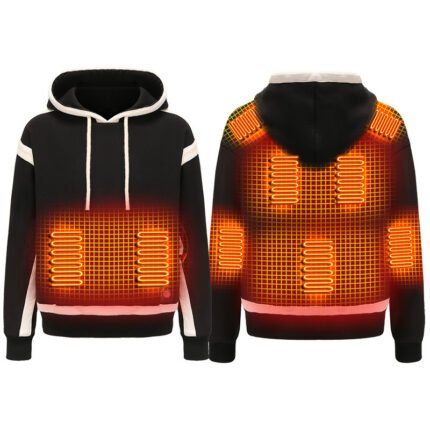
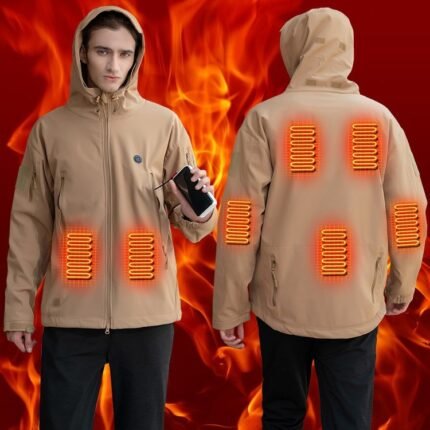
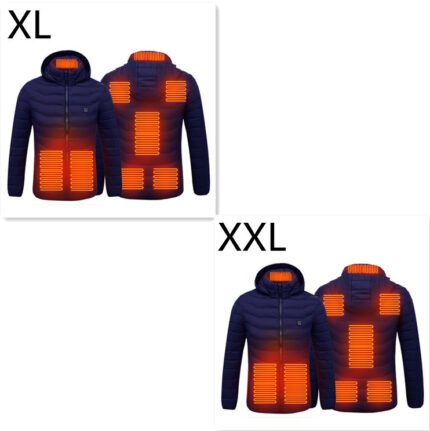
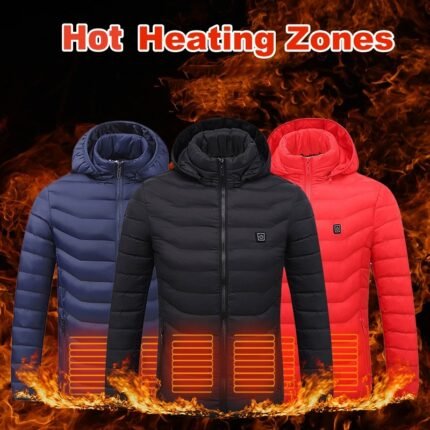
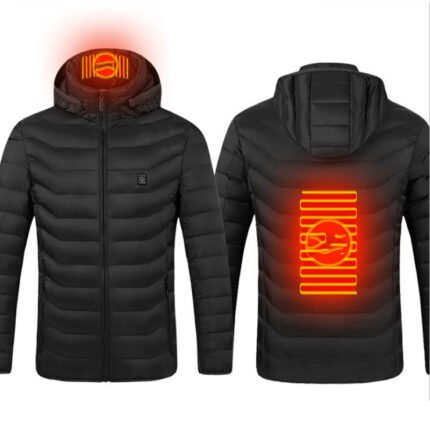
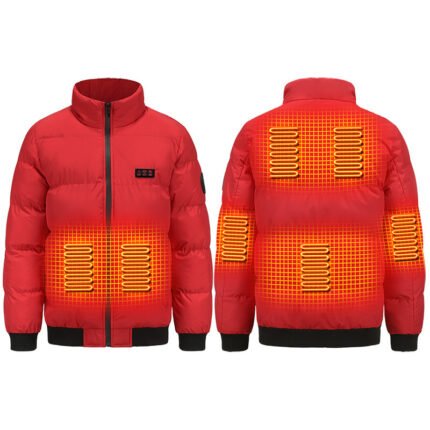
Heated jackets should fit snug enough for the heating panels to sit close to your body, since loose gaps reduce heat transfer. Check the brand's specific sizing chart rather than your regular jacket size, since heated jackets often run differently due to the internal wiring and battery pocket.
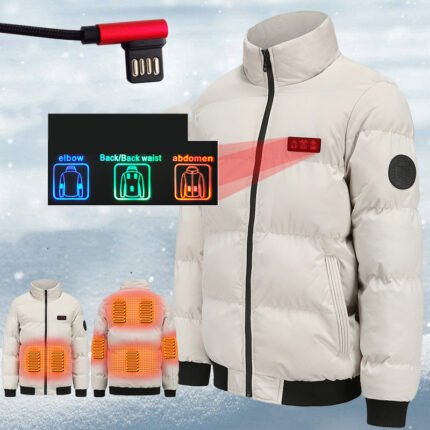
Battery life depends on the heat setting and battery capacity, typically ranging from 3 to 10 hours. Lower settings stretch runtime significantly, while the highest setting drains faster but delivers maximum warmth for the coldest rides.
Most heated jackets are washable once the battery pack and any detachable wiring are removed first. Always check the specific care label, since some heating elements require gentle cycle only or hand washing to avoid damaging the internal wiring.
This varies by product. Some heated jackets have waterproof outer shells built for riding in rain or snow, while others are only water resistant and meant to be worn under a waterproof riding jacket. Check the specific product listing before buying if wet weather riding matters to you.
Most heated jackets offer three to five heat settings, ranging from a low steady warmth for mild cold to a high setting for extreme conditions. More settings give finer control, which matters if you ride across a range of temperatures.
Both options exist. Battery powered jackets give you freedom to walk around off the bike and work for activities beyond riding. Wired jackets connect directly to your motorcycle's electrical system, giving unlimited runtime as long as the bike is running but tying you to the bike itself.
Heated jackets range widely depending on build quality, battery capacity, and brand. Entry level options sit at a lower price point but often have shorter battery life or fewer heat settings, while premium jackets cost more but deliver longer runtime and better temperature control.
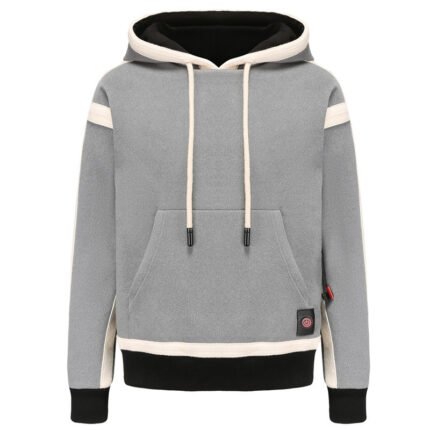
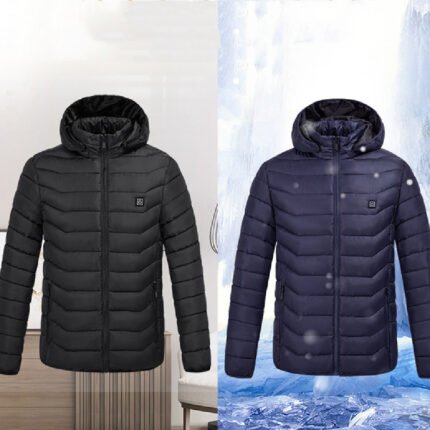
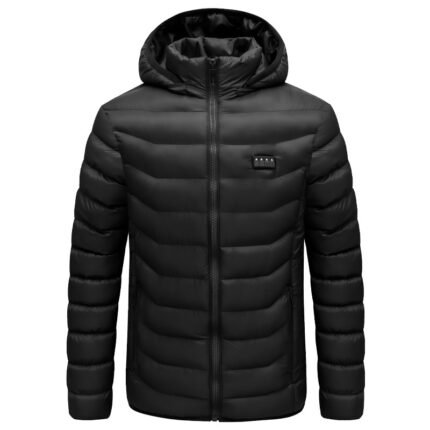
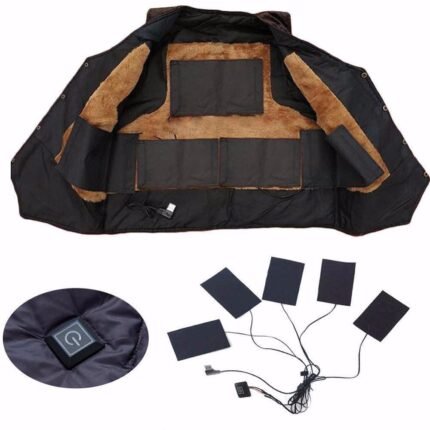
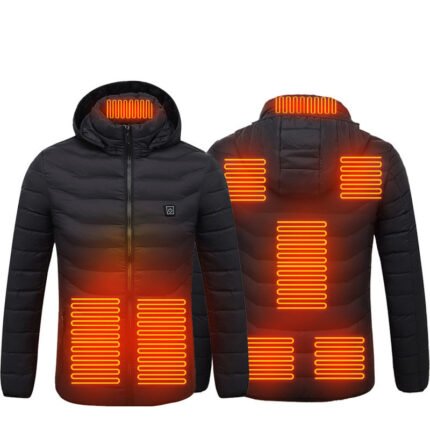
Quality heated jackets are designed to fit close to the body without adding much bulk, since the heating panels are thin. Some riders wear them as a mid layer under a riding jacket, while others use standalone heated jackets built with a protective outer shell.
Battery capacity is usually measured in mAh, with higher numbers meaning longer runtime. Match the battery to how long your typical ride lasts and what heat setting you expect to use most, since higher settings drain the battery faster regardless of capacity.
Yes, many heated jackets are designed specifically as a base layer to wear underneath a standard riding jacket. This adds warmth without changing your outer gear or affecting the protective armor built into your riding jacket.
Most reputable heated jacket brands offer a warranty covering the heating elements and battery pack, typically ranging from six months to a few years. Always check the specific warranty terms before buying, since coverage can vary significantly between budget and premium brands.
Key factors include battery life, number of heat settings, fit and sizing accuracy, whether it is water resistant or waterproof, and whether it is designed to be worn alone or layered under existing riding gear. Matching these to your typical riding conditions makes the biggest difference in satisfaction.
Yes, when used according to the manufacturer's guidelines. Reputable heated jackets include built in temperature regulation to prevent overheating, making them safe for extended wear across a full day of riding.
Most heated jackets are built slim enough to sit under a riding jacket with armor without restricting movement. Checking the sizing chart carefully matters here, since added bulk from armor can affect how much room you need.
