


HEATED VESTS
FAQs: Buying a Heated Vest
A heated vest should fit close to the body so the heating panels make direct contact with your torso. Check the brand's specific sizing chart rather than your usual jacket size, since heated vests often fit slimmer to work as a layering piece under a jacket.
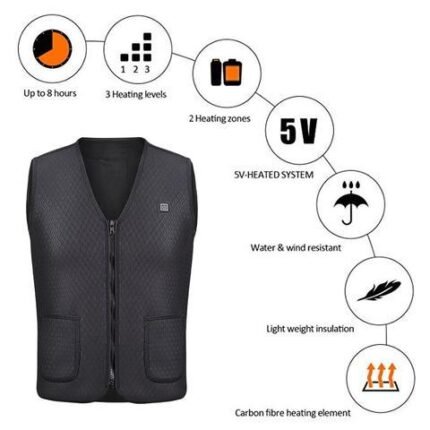
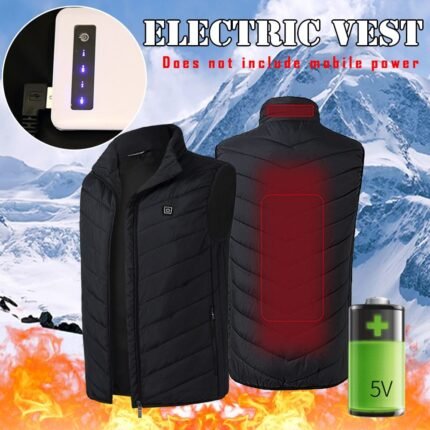
Battery life typically ranges from 4 to 10 hours depending on the heat setting and battery capacity. Lower settings extend runtime considerably, while the highest setting drains faster but gives maximum warmth for the coldest conditions.
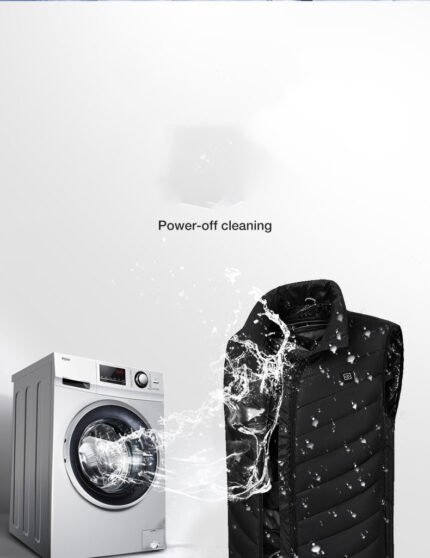
Most heated vests can be washed once the battery pack is disconnected and removed. Always check the care label first, since some vests need a gentle cycle or hand washing to protect the internal wiring from damage.
This depends on the specific product. Some heated vests use water resistant outer fabric suited for light rain or snow, while others are meant to be worn as a base layer under a waterproof jacket. Check the product details if wet weather riding is a factor for you.
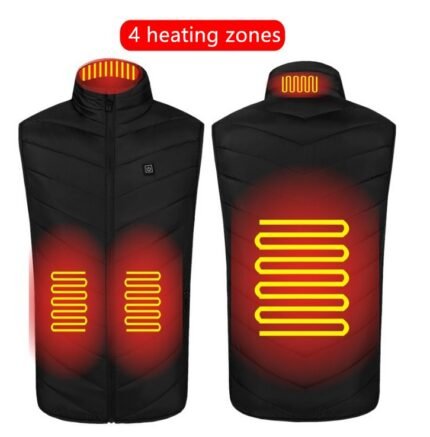
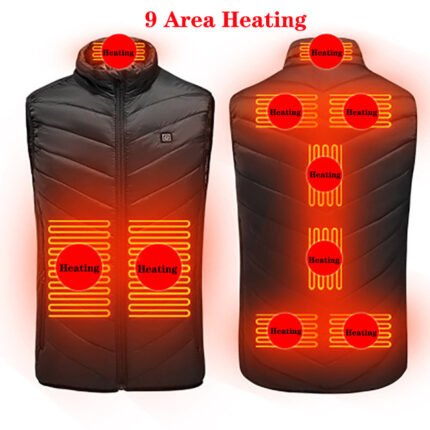
Most heated vests offer three to five heat settings, from a low steady warmth to a high setting built for extreme cold. More settings give you finer control across a wider range of riding temperatures.
Both options are available. Battery powered vests give you freedom to move around off the bike, useful at fuel stops or rest breaks. Wired vests connect to your motorcycle's electrical system, giving unlimited runtime as long as the bike runs but keeping you tethered to it.
Prices vary based on battery capacity, build quality, and brand. Entry level heated vests sit at a lower price point but often have shorter battery life or fewer heat settings, while premium options cost more and deliver longer runtime with better temperature regulation.
Quality heated vests are built slim specifically so they layer easily under a riding jacket. The heating panels are thin, which keeps the overall profile low even when combined with your usual gear.
Battery capacity is measured in mAh, with higher numbers meaning longer runtime. Match the battery size to your typical ride length and the heat setting you expect to use most, since higher settings drain the battery faster regardless of capacity.
Yes, heated vests are designed specifically to be worn as a base layer under a standard riding jacket. This adds core warmth without changing your outer gear or interfering with the armor built into your jacket.
Most reputable brands offer a warranty covering the heating elements and battery pack, usually ranging from six months to a few years. Always confirm the specific warranty terms before buying, since coverage differs between budget and premium options.
Key factors include battery life, number of heat settings, fit and sizing accuracy, whether it is water resistant, and how well it layers under your existing riding jacket. Matching these to your typical riding conditions makes the biggest difference in how satisfied you are with the purchase.
Yes, when used according to the manufacturer's guidelines. Reputable heated vests include built in temperature regulation to prevent overheating, making them safe for extended wear across a full day on the bike.
Most heated vests are built slim enough to sit comfortably under a riding jacket with armor without restricting movement. Checking the sizing chart carefully matters here, since added bulk from armor can affect how much room you actually need.
A heated vest is often a good starting point since it focuses warmth on the core at a lower price point and lighter weight. Riders who want full arm coverage or plan to ride in more extreme cold often upgrade to a heated jacket later.
